Skilled Carpenter for Bespoke Woodwork Services
A experienced carpenter plays an vital role in bespoke woodwork services. Their proficiency guarantees that projects are completed with precision and creativity. From bespoke cabinetry to distinctive shelving, these craftspeople transform ideas into practical pieces. Understanding the characteristics that define a skilled carpenter can significantly affect the outcome of a project. Knowing how to effectively collaborate and budget is equally important. What critical factors should one consider when starting such a custom undertaking?
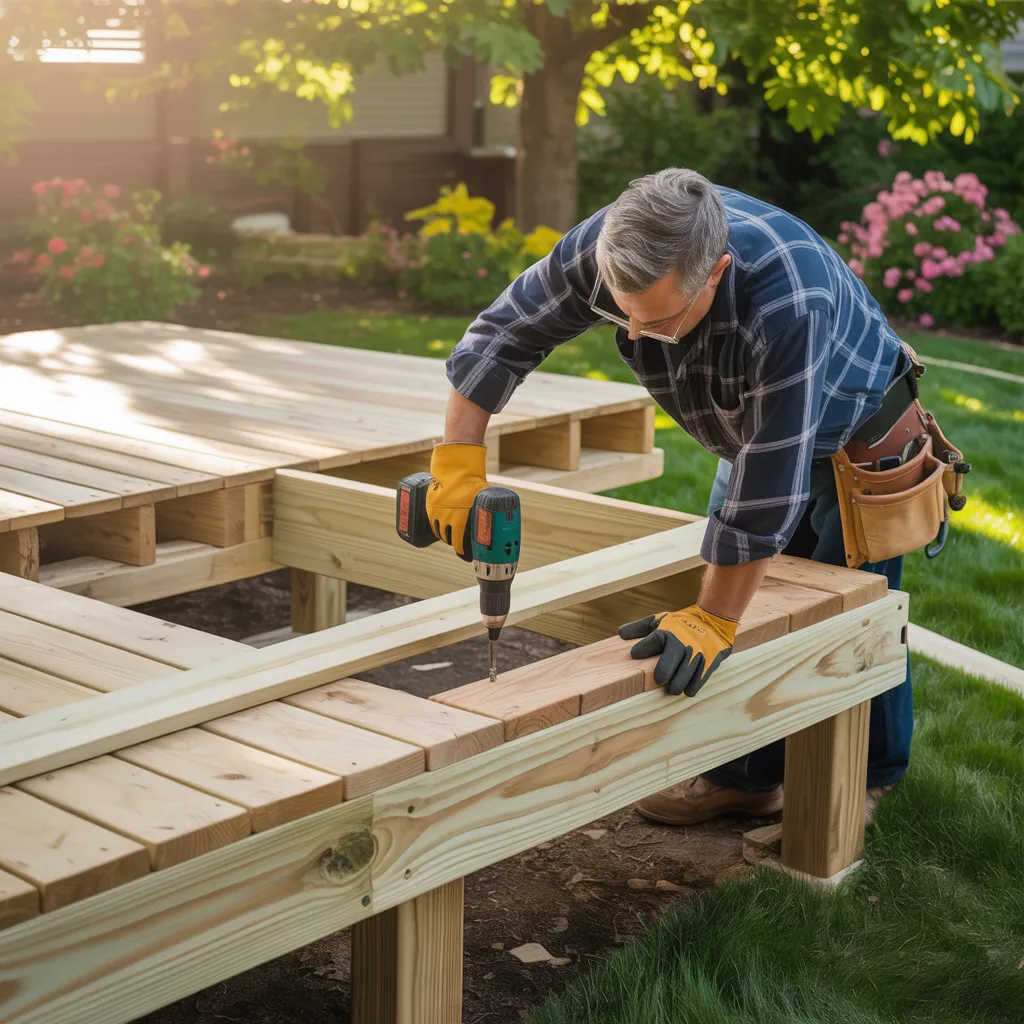
Why Engage a Proficient Carpenter for Personalized Woodwork?
Opting for a talented carpenter for personalized wood projects can greatly boost the excellence and appearance of a project. Expertise in woodworking assures that every component is produced with exactness, detailed focus to detail, and a profound understanding of the materials involved. Proficient craftsmen possess the necessary tools and methods to turn ideas into practical art, whether it be cabinetry, furniture, or decorative accents. Their experience enables them to anticipate issues and provide innovative solutions, resulting in a finished product that matches the client’s vision. Moreover, a proficient carpenter can supply knowledge about wood types, finishes, and design styles, enriching the overall result. Investing in a seasoned craftsman frequently yields exceptional quality that endures the test of time, combining both beauty and durability. In conclusion, opting for a skilled carpenter is vital for obtaining high-quality custom woodwork that enhances any space.
Discover Custom Carpentry Solutions to Upgrade Your Space
Custom woodwork choices offer an range of possibilities for enhancing any space, enabling homeowners to personalize their surroundings with distinctive designs. From bespoke cabinetry to detailed moldings, custom woodwork can transform ordinary rooms into extraordinary ones. customized solutions such as built-in shelves, decorative mantels, and custom furniture can maximize performance while adding visual appeal.
Homeowners can pick from different wood types, finishes, and styles to design a consistent look that complements their current decor. The flexibility of wood allows for both contemporary and traditional designs, catering to diverse tastes. Additionally, bespoke wood craftsmanship can address specific needs, such as maximizing storage in compact areas or crafting distinctive centerpieces in larger areas.
Essential Qualities to Seek in Your Carpenter
When starting a custom woodwork project, it is critical to find a carpenter who demonstrates key qualities that guarantee both quality craftsmanship and effective communication. First and foremost, experience is important; a veteran carpenter brings precious skills and insights that can enhance the project. Careful attention to detail is another key quality, as precision can significantly affect the final result. Additionally, creativity is significant, enabling the carpenter to suggest innovative solutions that align with the client's vision.
Reliability remains crucial; a trustworthy carpenter keeps to schedules and adheres to timelines, guaranteeing a smooth workflow. Strong interpersonal skills are vital, as they enable clear exchanges about ideas, expectations, and potential challenges. Finally, a good carpenter should demonstrate a dedication to customer satisfaction, prioritizing the client's needs and preferences throughout the project. By seeking these qualities, clients can establish a successful partnership and exceptional custom woodwork outcomes.
What's the Best Way to Work Alongside Your Carpenter on Design Concepts?
Successful teamwork with a carpenter starts with openly sharing creative concepts. This open exchange supports a productive dialogue of ideas, where both parties can contribute creatively. Appreciating the carpenter's expertise can deliver innovative solutions that strengthen the overall project.
Communicate Your Vision
How can homeowners guarantee their design concepts are properly conveyed to their carpenter? Direct dialogue is crucial for successful collaboration. Homeowners should begin by creating visual aids, such as drawings, photos, or inspiration boards, to illustrate their ideas. This helps close any differences between vision and execution. Additionally, reviewing specific dimensions, supplies, and final touches ensures that anticipations match. Frequent meetings during the design process foster an transparent conversation, enabling for adjustments and explanations as needed. Homeowners should also remain open to input, as carpenters often have important knowledge from their background. By establishing a teamwork environment, homeowners can ensure their concept is not just communicated but also comprehended and brought to life successfully by their experienced woodworker.
Welcome Original Suggestions
Working with a carpenter opens the door to innovative design solutions that can enhance any undertaking. Effective collaboration begins with transparent dialogue, where clients articulate their needs and preferences while remaining receptive to the woodworker's knowledge. Sharing preliminary drawings, mood boards, or inspiration images can offer helpful guidance, allowing the carpenter to understand the desired aesthetic and functionality.
Furthermore, participating in brainstorming sessions fosters a creative dialogue, where both parties can explore unique ideas and alternatives. The carpenter's experience can lead to practical suggestions that improve the original vision, ensuring the final product is both beautiful and functional. Ultimately, embracing creative input converts a simple project into a personalized masterpiece, showcasing the distinct style and needs of the client.
Approach to Calculating costs for Your Handcrafted wood Project?
What considerations should one consider when planning finances for a custom woodwork project? First, the choice of materials notably affects costs. Premium wood, hardware, and finishes can increase the project's price. Second, the intricacy of the design should be evaluated; intricate patterns or custom features demand more time and skill, which can raise labor costs.
Moreover, the extent of the project constitutes an indispensable aspect; larger pieces inherently call for more materials and exertion. One must also keep in mind probable additional outlays, such as certifications or installation fees.
Finally, adding a buffer for unforeseen expenses ensures the project stays within budget. By thoroughly assessing these factors, one can develop a realistic budget that reflects both the quality desired and the constraints of available funds. Advance planning and working with a skilled carpenter can additionally help in improving the budget, facilitating a successful custom woodwork project.
The Sustained Merit of Personalized Wood Craftsmanship
Investing in bespoke wood creations transcends immediate costs, providing significant enduring benefits that can improve both aesthetics and functionality in a space. High-quality craftsmanship ensures durability, often surpassing the lifespan of factory-made options. Custom pieces are designed to fit particular requirements, optimizing space and enhancing orderliness, which can lead to higher real estate worth.
Furthermore, the distinctive nature of bespoke wood creations adds a customized feel that elevates the overall ambiance of a residence or workplace. This bespoke quality frequently appeals to buyers and can help a property stand out in the real estate market.
Additionally, bespoke woodwork permits the use of sustainable materials, fostering eco-conscious living. Clients regularly find that the investment delivers value through pertinent details reduced maintenance costs and the timeless appeal of bespoke items. Fundamentally, bespoke woodwork is not just a purchase; it's a commitment to excellence and individuality that can yield significant returns over time.
Frequently Asked Inquiries
Which Types of Wood Work Well for Bespoke Projects?
Hardwoods including oak, maple, and cherry are outstanding for custom projects because of their resilience and attractive appearance. Softwoods like pine and cedar are equally popular for their workability and cost-effectiveness across multiple purposes.
How Long Does a Custom Woodwork Project Typically Require?
A bespoke wood job usually requires anywhere from a few days to several weeks, depending on complexity, materials, and craftsmanship required. Timelines can vary considerably based on the project's specific requirements and the woodworker's schedule.
Could I look at samples of Your Former Work?
Past projects examples are obtainable via a portfolio showcasing various pieces. Interested parties can explore photographs and write-ups that highlight craftsmanship and design, demonstrating the scope and quality of accomplished custom woodwork projects.
Are Warranties Offered for Your Custom Woodwork?
Yes, coverages are offered on custom woodwork, guaranteeing outstanding quality and sustained durability. This declaration demonstrates confidence in craftsmanship, enabling consumers to have confidence in their investment, realizing that any complications will be resolved promptly.
How Do You Address Changes During the Project?
Project changes are handled through transparent communication and cooperation. The carpenter presents adjustments to the client, making sure all alterations correspond with the original vision while fulfilling any new requests or requirements successfully.